by Tanya Wetson-Catt | Nov 20, 2025 | Productivity
Data has become the lifeblood of every organization, regardless of industry or sector. Today, a business’s ability to collect, analyze, and act on data is not just an advantage, it’s essential for survival. Data-driven decision-making enables organizations to respond quickly to market changes, identify new opportunities, and improve operational efficiency. When decisions are backed by accurate, timely data, they can produce both immediate results and long-term strategic benefits. Whether the data comes from customer surveys, employee feedback forms, transactional records, or operational metrics, it provides a foundation for smarter business strategies.
With the right tools and processes, organizations can harness this information to streamline workflows, enhance customer experiences, optimize resource allocation, and maintain a competitive edge in an increasingly complex business landscape.
One powerful solution to consider is Microsoft Forms. With its robust feature set and seamless integration into the Microsoft 365 ecosystem, Forms provides a secure and compliant platform for collecting and analyzing data.
This article will explore how organizations can effectively use Microsoft Forms for data collection, while addressing key considerations and best practices.
Benefits
Offering numerous built-in functions, Forms emphasizes simplicity of use.
- Easy to Use: A drag-and-drop interface enables novice users to create sophisticated forms quickly.
- Microsoft 365 Integration: Fully integrated to Teams, SharePoint, Excel, and Power Automate, Forms provides data to fuel decision-making.
- Real-Time Data Analysis: Responses can be gathered in real time. Forms can then display the information in charts or graphs, which can be automatically generated.
- Mobile-Friendly: Forms are designed with the modern-day user in mind. It is responsive and mobile-friendly. Users can complete the forms on any device.
Business Users Features
Forms offers numerous built-in functions, but there are quite a few that were added with business users in mind. The most impactful are detailed below:
Customizable Form Templates
There is a wide array of templates to quickly create customer satisfaction surveys, event registration forms, and employee feedback forms.
Question Types
There are multiple question types to choose from when building forms. The options include:
- Multiple choice
- Text (short and long answers)
- Rating scales
- Likert scales
- Date/time pickers
- File upload
Sharing Options
Forms provides the ability to share information with internal members or external users. Based on user credentials, it dictates how and when the data can be shared. It can also be embedded into webpages or emails.
Data Analysis
The beauty of gathering data through Forms is how easily it integrates with Excel. This information can then be analyzed and used to form policy decisions.
Work Scenarios
Forms can provide invaluable insight across all departments. Several scenarios in which it can be applied include:
- Human Resources: Employee surveys, onboarding feedback, exit interviews
- Marketing: Customer satisfaction surveys, event feedback
- Training: Training assessments, knowledge assessment, course registration
- IT and Help Tickets: Help desk ticket, asset inventory
Microsoft 365 Integration
Developed to be fully integrated into the Microsoft 365 environment, Forms allows seamless sharing of data between various Microsoft products.
Excel
For every Microsoft Form generated, an Excel workbook is automatically created. This is where response data is stored to be analyzed.
Power Automate
Building workflows based on Microsoft Forms data is easy when utilizing Power Automate.
SharePoint and Teams
Demonstrating full integration, Forms can be embedded directly into Microsoft Teams tabs and SharePoint pages. This allows full collaboration and accessibility like never before.
Microsoft Forms Tips
The best way to get the most out of Microsoft Forms is to follow a few simple tips. These tips include:
- Develop Objectives: It is important to determine what data you want to collect and how it will be used. Every question should serve a purpose and not just take up space.
- Use Branching: This allows unnecessary questions to be removed based on the responses gathered.
- Privacy: Give users the option to not allow their personal identifiers to be stored so their responses remain anonymous.
- Limit Open-Ended Responses: When user responses are free-form and not standardized, it makes it difficult to quantify and analyze.
Compliance Considerations
The beauty of Forms is that since it can live within the Microsoft 365 framework, it has built-in security and compliance standards.
- Encryption is provided for data at rest and in transit.
- Audit logs ensure accountability.
Maximizing the Value of Microsoft Forms
Microsoft Forms unlocks the potential of organizational data by making it easy to gather, analyze, and act on insights. Whether improving onboarding processes, collecting employee feedback, or tracking customer satisfaction, Forms helps businesses make faster, more informed decisions.
By automating surveys and follow-ups within the secure Microsoft 365 ecosystem, organizations can create seamless, end-to-end workflows that enhance responsiveness and efficiency. With the right guidance, resources, and training, businesses can fully harness Forms to transform raw data into actionable strategies, driving smarter decisions and long-term growth.
Contact us today to learn how to optimize Microsoft Forms for your organization and turn your data into a competitive advantage.
—
Featured Image Credit
This Article has been Republished with Permission from The Technology Press.
by Tanya Wetson-Catt | Nov 15, 2025 | New Technology
Most organizations have realized that AI is not a sentient system looking to take over the world, but rather an invaluable tool. They have come to utilize it to improve their productivity and efficiency. AI solutions have been installed at an astounding rate. Some are used to automate repetitive tasks and to provide enriched data analysis on a previously unrealized level. While this can certainly boost productivity, it is also troubling from a data security, privacy, and cyber threat perspective.
The crux of this conundrum is how the power of AI can be harnessed to remain competitive while eliminating cybersecurity risks.
The Rise of AI
AI is no longer just a tool for massive enterprises. It is a tool every organization can use. Cloud-based systems and machine learning APIs have become more affordable and necessary in the modern-day business climate for small and medium-sized businesses (SMBs).
AI has become common in the following ways:
- Email and meeting scheduling
- Customer service automation
- Sales forecasting
- Document generation and summarization
- Invoice processing
- Data analytics
- Cybersecurity threat detection
AI tools help staff become more efficient, eliminating errors and helping make data-backed decisions. However, organizations need to take steps to limit cybersecurity issues.
AI Adoption Risks
An unfortunate side effect of increasing productivity through the use of AI-based tools is that it also expands the available attack surface for cyber attackers. Organizations must understand that implementing any new technology needs to be done with thoughtful consideration of how it might expose these various threats.
Data Leakage
In order to operate, AI models need data. This can be sensitive customer data, financial information, or proprietary work products. If this information needs to be sent to third-party AI models, there must be a clear understanding of how and when this information will be used. In some cases, AI companies can store it, use it for training, or even leak this information for public consumption.
Shadow AI
Many employees use AI tools for their daily work. This might include generative platforms or online chatbots. Without proper vetting, these can cause compliance risks.
Overreliance and Automation Bias
Even when using AI tools, it is important for companies to continue their due diligence. Many users consider AI-generated content to always be accurate when, in fact, it is not. Relying on this information without checking it for accuracy can lead to poor decision-making.
Secure AI and Productivity
The steps necessary to secure potential security risks when utilizing AI tools are relatively straightforward.
Establish an AI Usage Policy
It is critical to set limits and guidelines for AI use prior to installing any AI tools.
Be sure to define:
- Approved AI tools and vendors
- Acceptable use cases
- Prohibited data types
- Data retention practices
Educate users regarding the importance of AI security practices and how to properly use the tools installed to minimize the risk associated with using AI tools.
Choose Enterprise-Grade AI Platforms
One way to secure AI platforms is by ensuring that they offer the following:
- GDPR, HIPAA, or SOC 2 compliant
- Data residency controls
- Do not use customer data for training
- Provide encryption for data at rest and in transit
Segment Sensitive Data Access
Adopting role-based access controls (RBAC) provides better restrictions on data access. It allows AI tools access to only specific types of information.
Monitor AI Usage
It is essential to monitor AI usage across the organization to understand what information is being accessed and how it is being utilized, including:
- Which users are accessing which tools
- What data is being sent or processed
- Alerts for unusual or risky behavior
AI for Cybersecurity
Ironically, while concerns exist about AI use regarding security issues, one of the primary uses of AI tools is the detection of cyber threats. Organizations use AI to do the following:
- Threat detection
- Email phishing deterrent
- Endpoint protection
- Automated response
Adopting tools like SentinelOne, Microsoft Defender for Endpoint, and CrowdStrike all use AI aspects to detect threats in real-time.
Train Employees About Responsible Use
An unfortunate truth about humans is that they are, without question, the weakest link in the chain of cyber defense. Even the strongest defensive stance on cyber threats can be undone with a single click by a single user.
It is important that they receive training regarding the proper use of AI tools, so they understand:
- Risks of using AI tools with company data
- AI-generated phishing
- Recognizing AI-generated content
AI With Guardrails
AI tools can transform any organization’s technical landscape, expanding what’s possible. But productivity without proper protection is a risk you can’t afford. Contact us today for expert guidance, practical toolkits, and resources to help you harness AI safely and effectively.
—
Featured Image Credit
This Article has been Republished with Permission from The Technology Press.
by Tanya Wetson-Catt | Nov 10, 2025 | Cybersecurity
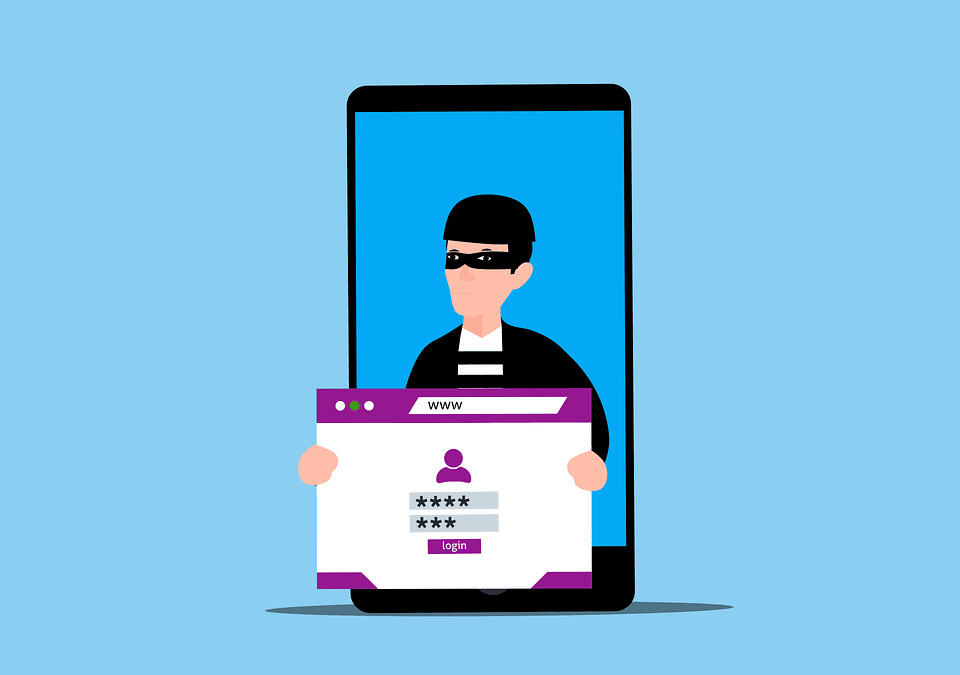
During an era of digital transformation, data and security are king. That is why, as cyber threats evolve in this age of digital transformation, businesses need to be prepared. Credential theft has become one of the most damaging cyber threats facing businesses today. Whether through well-crafted phishing scams or an all-out direct attack, cybercriminals are continually honing their skills and adapting their tactics to gain access to system credentials. They seek to compromise the very fabric of the corporate digital landscape and access sensitive corporate resources.
The stakes are incredibly high. According to Verizon’s 2025 Data Breach Investigations Report, over 70% of breaches involve stolen credentials. The implications for businesses of every size are crippling financial loss and reputational damage. The days of relying solely on passwords to secure systems and devices are long gone. With the new age of cyber threats lingering just beyond the gates, organizations have to take advanced measures to properly secure the authentication infrastructure. Only by doing this can they hope to mitigate the risk of credential-based attacks.
Understanding Credential Theft
Credential theft is not a single act, but rather a symphony that builds from the first note and rises in intensity and intent over the course of weeks or months. It typically begins with cyber attackers gaining access to usernames and passwords using a variety of methods:
- Phishing Emails: These can trick users into revealing their credentials via fake login pages or official-looking correspondence.
- Keylogging: This is a malware attack that records each keystroke to gain access to the login and password information.
- Credential Stuffing: This is the application of lists of leaked credentials from other data breaches to try to breach security measures.
- Man-in-the-middle (MitM) Attacks: These occur when attackers are able to intercept credentials on unsecured networks.
Traditional Authentication Limitations
Organizations have historically depended on username and password combinations to provide their primary means of authentication. This is not adequate any longer. There are several reasons why organizations need to up the ante on their authentication processes:
- Passwords are often reused across platforms.
- Users tend to choose weak, guessable passwords.
- Passwords can be easily phished or stolen.
Advanced Protection Strategies for Business Logins
To effectively combat credential theft, organizations should adopt a multi-layered approach that includes both preventive and detective controls. Below are several advanced methods for securing business logins:
Multi-Factor Authentication (MFA)
This is one of the simplest yet most effective methods to prevent credential theft. It requires users to provide two verification points. This typically includes a password, coupled with an additional piece of information sent to a secure device or email account that needs to be entered. It could also require a biometric measure for authentication, usually a fingerprint scan.
There are hardware-based authentication methods as well, including YubiKeys or app-based tokens like those required by Google Authenticator or Duo. These are highly resistant to phishing attempts and recommended for high-value accounts.
Passwordless Authentication
In a move to further secure systems, some of the emerging frameworks have completely abandoned the username and password authentication method entirely. Instead, they employ the following:
- Biometrics employ fingerprint or facial recognition for authentication purposes.
- Single Sign-On (SSO) is used with enterprise identity providers.
- Push notifications employ mobile apps that approve or deny login attempts.
Privileged Access Management (PAM)
High-level accounts like those held by executives or administrators are also targeted by attackers because of the level of their access to valuable corporate information. PAM solutions offer secure monitoring and the enforcement of ‘just-in-time’ access and credential vaulting. This helps minimize the attack surface by offering stricter control for those who access critical systems.
Behavioral Analytics and Anomaly Detection
Many modern authentication systems employ artificial intelligence-driven methods to detect unusual behavior surrounding authentication attempts. Some of the anomalies these methods look for include:
- Logins from unfamiliar devices or locations
- Access attempts at unusual times
- Multiple failed login attempts
Organizations that provide continuous monitoring of login patterns can proactively prevent damage before it occurs.
Zero Trust Architecture
This architecture adopts the simple principle of “never trust, always verify.” This basis is the opposite of most traditional methodologies. Instead of trusting users inside the network, Zero Trust authenticates and authorizes on a continuous basis. Every request made by a given user is determined by contextual signals such as device location and identity.
The Role of Employee Training
While digital methods to secure digital landscapes are vital, they can all be undone by simple human intervention. In fact, human error is the leading cause of data breaches. To curb this trend, organizations should train personnel to be diligent in their system use. They should be aware of:
- Recognize phishing attempts
- Use password managers
- Avoid credential reuse
- Understand the importance of MFA
An informed workforce is a critical line of defense against credential theft.
Credential Theft Will Happen
Attackers are becoming increasingly sophisticated in their attempts to compromise system credentials. Today, credential theft is no longer a matter of if, it’s a matter of when. Organizations can no longer rely on outdated defenses; stronger protection is essential. By implementing multi-factor authentication, adopting Zero Trust policies, and prioritizing proactive security strategies, businesses can stay ahead of emerging threats. Contact us today for the resources, tools, and expert guidance you need to build stronger defenses and keep your business secure.
—
Featured Image Credit
This Article has been Republished with Permission from The Technology Press.
by Tanya Wetson-Catt | Nov 5, 2025 | IT Management
Images of Black Friday no longer merely conjure up visions of bargain-hunting shoppers bullrushing storefronts to secure the best deals. It is now viewed by many organizations as a strategic opportunity to minimize the cost of upgrading their technology infrastructure. Traditionally, Black Friday tech deals surrounded gaming platforms and entertainment technology, but that has changed. Now, businesses recognize that there are numerous deals on the latest technology that offer real-world value to improve collaboration and productivity.
Whether adopting gaming hardware for creative workflows or adopting cutting-edge peripherals for hybrid teams, businesses need to recognize the opportunities for smart integration of these products.
Paying Attention to Gaming Tech
As technology in the digital landscape continues to grow at incredible rates, the gaming community has seen impressive growth as well. Hardware and accessories continue to push the limits of performance and responsiveness. By creating immersive environments through 3D rendering and advanced audio, these devices can translate to productivity-focused business applications. Some business sectors can utilize gaming tech in the following ways:
- Creative work involving graphic design, 3D modeling, and video editing
- Real-time collaboration
- High-speed computing and multitasking
- Remote or hybrid work environments
Gaming devices typically come loaded with impressive features that can translate well to organizations willing to look at their capabilities.
High-Performance Laptops and Desktops
These devices are designed to handle high CPU loads and offer fast rendering capabilities in immersive environments. They are feature-rich and can easily integrate into any computing environment.
Gaming PCs and laptops often include:
- Multi-core CPUs (Intel Core i7/i9, AMD Ryzen 7/9)
- Discrete GPUs (NVIDIA RTX, AMD Radeon)
- High-refresh-rate displays
- Fast SSD storage and large memory capacities
While these devices are marketed for gamers, their specs are ideal for business users operating resource-heavy programs, such as CAD software, Adobe Creative Suite, Power BI, and Tableau.
When looking for Black Friday deals, look at the gaming laptops from Dell Alienware, MSI, and ASUS ROG. They provide robust features and come with Windows Pro, TPM 2.0, and remote management tools.
Peripherals
Gaming mice and keyboards provide precision and ergonomics that help limit user fatigue during all-day use. Consider looking for Logitech, Razer, and Corsair brands that offer discounted Black Friday deals on a regular basis.
Ultrawide and 4K Monitors
Gamers aren’t the only ones who love immersive monitors. Professionals love them, too. With an ultrawide and high-resolution monitor, businesses can see improvements in employee multitasking abilities and video and audio editing, along with data analytics and coding.
With ultrawide, curved displays, developers and financial analysts can better visualize large amounts of information without the need to switch windows. For Black Friday deals, consider LG, Samsung, and Dell for superior USB-C support and video output.
Noise-Cancelling Headsets and Microphones
While these were originally marketed for immersive gaming experiences, noise-cancelling headphones and studio-quality microphones have impacted the way organizations do business. They are essential for working environments employing video conferencing and remote locations. They can improve focus on taxing projects.
Streaming Gear and Webcams
What was once a gaming-only concept, streaming hardware has left an indelible mark on the business world. This includes Elgato Stream Decks and high-resolution webcams. These tools enable businesses to enhance their video presence and streamline their workflow within the organization.
Best Practices When Buying Consumer Tech for Business Use
The deals available are substantial. A quick look at online tech outlets shows just how steep the discounts can be on Black Friday. While these sales offer great savings, businesses need to approach purchases mindfully. Buying equipment solely because it’s discounted defeats the purpose if it cannot integrate into your existing technology environment. If you have questions about your purchases, reach out for expert guidance to make sure your purchases support long-term business goals.
- Business-Grade Warranty: Unfortunately, consumer products don’t offer the same commercial warranties or support. It is always a good idea to check this for any purchases organizations are considering.
- Compatibility Assurance: The new purchases have to be compatible with existing software, hardware, and networks, or it is a wasted effort.
- Lifecycle Management: The discounted items need to be tracked and included in the IT management plan to determine when and how the devices will be replaced in the coming years.
- Secure Everything: Much like the warranty, not all consumer products come with the same safeguards necessary for enterprise-level security.
No Longer Just for Personal Upgrades
Gone are the days of consumer-only Black Friday deals. Now, organizations can reap the same discounts as consumers by strategically purchasing high-performance gadgets to improve their technology landscape. These devices can improve productivity and drive innovation and efficiency.
The key is knowing what to buy and when.
Considering purchasing tech gadgets on Black Friday? If you have questions or need guidance on a specific product, contact us for expert advice. With the right resources and support, IT professionals and business leaders can make smarter purchasing decisions and align technology with long-term strategies. Whether you’re an MSP or a small business owner, we can help you turn Black Friday deals into year-round results. Contact us today to get started.
—
Featured Image Credit
This Article has been Republished with Permission from The Technology Press.
by Tanya Wetson-Catt | Oct 30, 2025 | IT Management
You come into work on Monday, coffee still hot, only to find your email full of urgent messages. An employee wants to know why their login isn’t working. Another says their personal information has shown up in places it shouldn’t. Suddenly, that list of “things to get done” is replaced by one big, pressing question: What went wrong?
For too many small businesses this is how a data breach becomes real. It’s a legal, financial, and reputational mess. IBM’s 2025 cost of data breach report puts the average global cost of a breach at $4.4 million. Additionally, Sophos found that nine out of ten cyberattacks on small businesses involve stolen data or credentials.
In 2025, knowing the rules around data protection is a survival skill.
Why Data Regulations Matter More Than Ever
The last few years have made one thing clear: Small businesses are firmly on hackers’ radar. They’re easier to target than a Fortune 500 giant and often lack the same defenses. That doesn’t mean they’re hit less often. It means the damage can cut deeper.
Regulators have noticed. In the U.S., a growing patchwork of state privacy laws is reshaping how companies handle data. In Europe, the GDPR continues to reach across borders, holding even non-EU companies accountable if they process EU residents’ personal information. And these aren’t symbolic rules, as fines can run up to 4% of annual global turnover or €20 million, whichever is higher.
The fallout from getting it wrong isn’t just financial. It can:
- Shake client confidence for years.
- Stall operations when systems go offline for recovery.
- Invite legal claims from affected individuals.
- Spark negative coverage that sticks in search results long after the breach is fixed.
So, yes, compliance is about avoiding penalties, but it’s also about protecting the trust you’ve worked hard to build.
The Regulations and Compliance Practices You Need to Know
Before you can follow the rules, you have to know which ones apply. In the business world, it’s common to serve clients across states, sometimes across countries. That means you may be under more than one set of regulations at the same time.
Below are some of the core laws impacting small businesses.
General Data Protection Regulation (GDPR)
Applies to any business around the world that deals with data from EU residents. GDPR requires clear, written permission to collect data, limits on how long it can be stored, strong protections, and the right for people to access, change, delete, or move their data. Even a small business with a handful of EU clients could be covered.
California Consumer Privacy Act (CCPA)
Gives people in California the right to know what information is collected, ask for it to be deleted, and choose not to have their information sold. If your business makes at least $25 million a year or handles a lot of personal data, this applies to you.
2025 State Privacy Laws
Eight states, including Delaware, Nebraska, and New Jersey, have new laws this year. Nebraska’s is especially notable: It applies to all businesses, no matter their size or revenue. Consumer rights vary by state, but most now include access to data, deletion, correction, and the ability to opt out of targeted advertising.
Compliance Best Practices for Small Businesses
Here’s where the theory meets the day-to-day. Following these steps makes compliance easier and keeps you from scrambling later.
1. Map Your Data
Do an inventory of every type of personal data you hold, where it lives, who has access, and how it’s used. Don’t forget less obvious places like old backups, employee laptops, and third-party systems.
2. Limit What You Keep
If you don’t truly need a piece of information, don’t collect it in the first place. If you have to collect it, keep it only as long as necessary. Furthermore, restrict access to people whose roles require it, which is known as the “principle of least privilege.”
3. Build a Real Data Protection Policy
Put your rules in writing. Spell out how data is classified, stored, backed up, and, if needed, securely destroyed. Include breach response steps and specific requirements for devices and networks.
4. Train People and Keep Training Them
Most breaches start with a human slip. Teach staff how to spot phishing, use secure file-sharing tools, and create strong passwords. Make refresher training part of the calendar, not an afterthought.
5. Encrypt in Transit and at Rest
Use SSL/TLS on your website, VPNs for remote access, and encryption for stored files, especially on portable devices. If you work with cloud providers, verify they meet security standards.
6. Don’t Ignore Physical Security
Lock server rooms. Secure portable devices. If it can walk out the door, it should be encrypted.
Breach Response Essentials
Things can still go wrong, even with strong defenses. When they do, act fast. Bring your lawyer, IT security, a forensic expert, and someone to handle communications together immediately. Work collaboratively to fix the problem. Isolate the systems that are affected, revoke any stolen credentials, and delete any data that is exposed.
Once stable, figure out what happened and how much was affected. Keep detailed notes; they’ll matter for compliance, insurance, and future prevention.
Notification laws vary, but most require quick updates to individuals and regulators. Meet those deadlines. Finally, use the experience to improve. Patch weak points, update your policies, and make sure your team knows what’s changed. Every breach is costly, but it can also be a turning point if you learn from it.
Protect Your Business and Build Lasting Trust
Data regulations can feel like a moving target because they are, but they’re also an opportunity. Showing employees and clients that you take their privacy seriously can set you apart from competitors who treat it as a box-ticking exercise.
You don’t need perfect security. No one has it. You do need a culture that values data, policies that are more than just paper, and a habit of checking that what you think is happening with your data is actually happening.
That’s how you turn compliance into credibility.
Contact us to find out how you can strengthen your data protection strategy and stay ahead of compliance requirements.
—
Featured Image Credit
This Article has been Republished with Permission from The Technology Press.